
West Wycombe School
Phonics
Intent
At West Wycombe School, we use the engaging and interactive Phonics Shed programme to provide children with a strong foundation in early reading and writing. Through high-quality systematic phonics teaching, we aim to develop confident, fluent readers who foster a lifelong love of books and learning.
Phonics Shed supports children in learning the relationship between sounds and letters through Grapheme-Phoneme Correspondence (GPC). Children are taught to decode words by segmenting and blending sounds using the “Sound it, Squash it, Say it” approach, helping them to read accurately and with increasing confidence.
By developing phonetic knowledge in a clear and progressive sequence, we ensure that all children build the skills needed to become successful readers, writers and communicators. Our phonics teaching is inclusive, engaging and carefully matched to children’s individual stages of development, enabling every child to achieve their full potential.
Phonics Screening Check
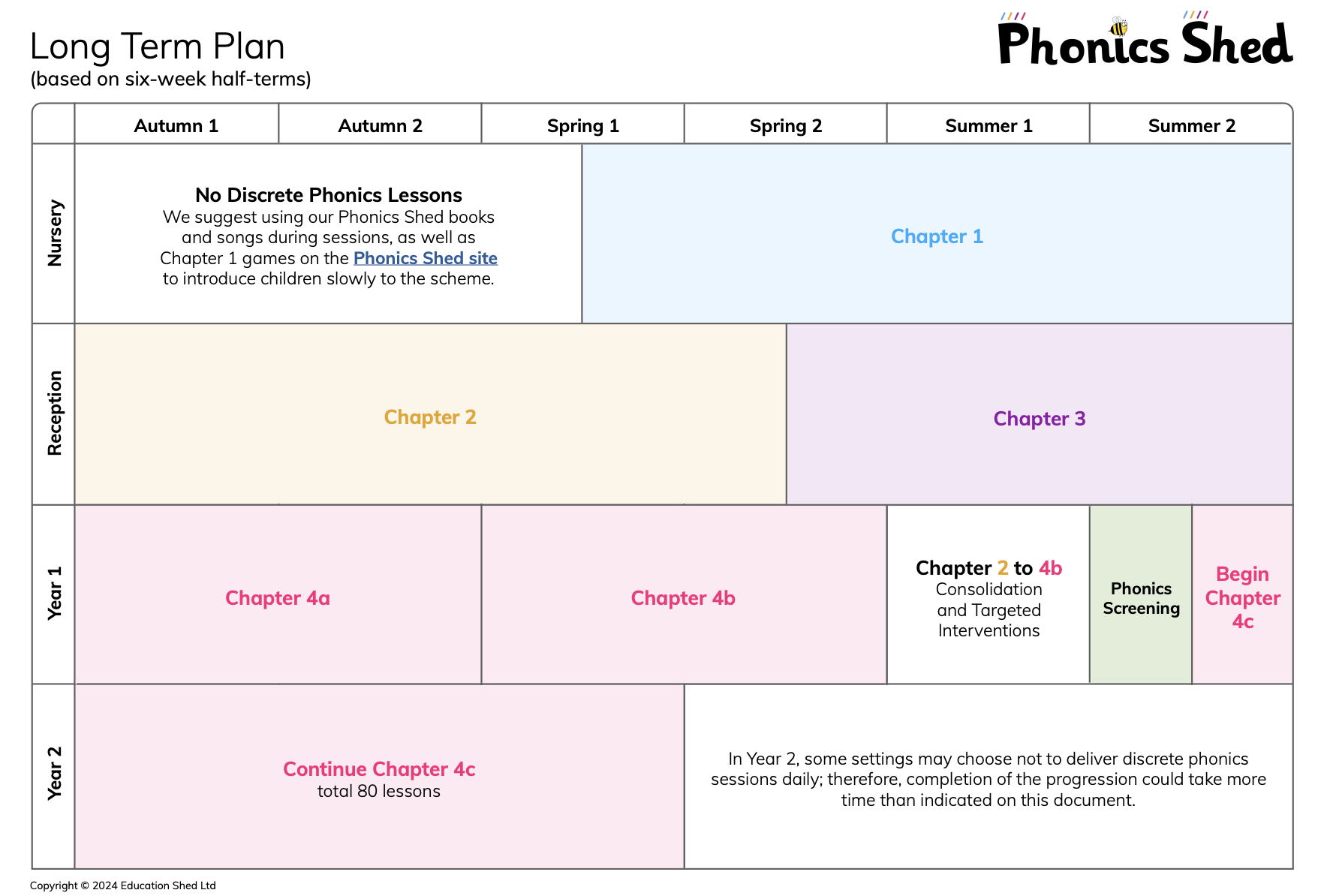
The phonics screening check is conducted at the end of year 1, assessing children’s ability to decode 20 real words and 20 ‘alien’ words. The check is designed to take place in a low-pressure environment, where children work one to one with their class teacher. If children do not meet the threshold for the screening, they will receive additional support in year 2 and will re-take the screening at the end of Year 2.


Reading Books and Home Support
Phonics Shed books are used to support children with their reading. The books are carefully matched using the Phonics Shed guidance to each child’s phonics stage to ensure appropriate challenge and support.
Children will bring home a phonetically decodable book to practise the sounds learnt in class. These books will be changed on a Monday and Thursday. To maximise the benefits of reading, we ask that children read this book three times per week and each session is recorded in their reading record.
- Tricky Words Practice: Use the challenges at the back of the Home Links book.
- Letter Formation: Ensure correct letter formation with tracing and writing activities.
- Spelling and Sentence Writing: Encourage your child to spell words and write simple sentences using the sounds learnt.
- Playing games like I-Spy or seesaw (where children have to guess the sounds in the hidden word)
- Have magnetic letters at home where children can practice making different words and sentences.